
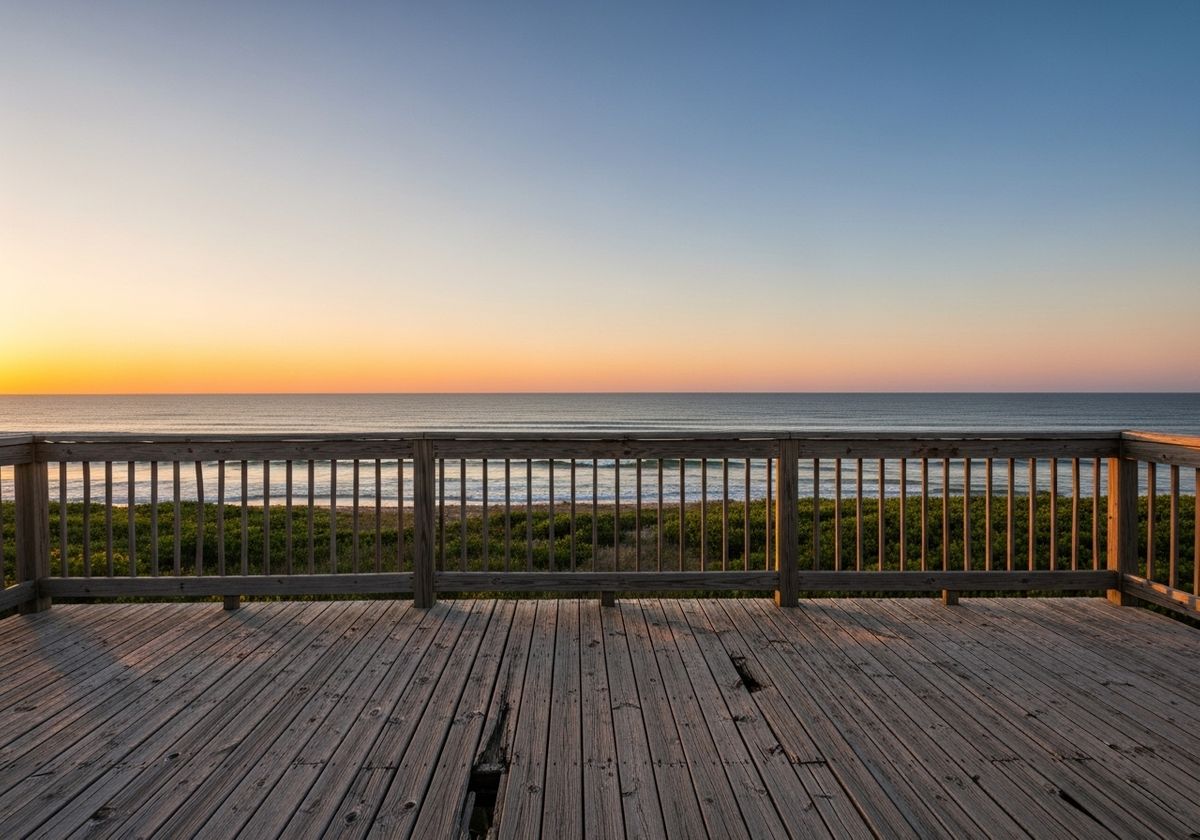
Decks in coastal climates face unique challenges that can lead to premature failure. The combination of salt air, intense sunlight, and fluctuating humidity levels can wreak havoc on even the most well-built structures. Understanding these factors is crucial for ensuring your outdoor living space remains safe, beautiful, and long-lasting.
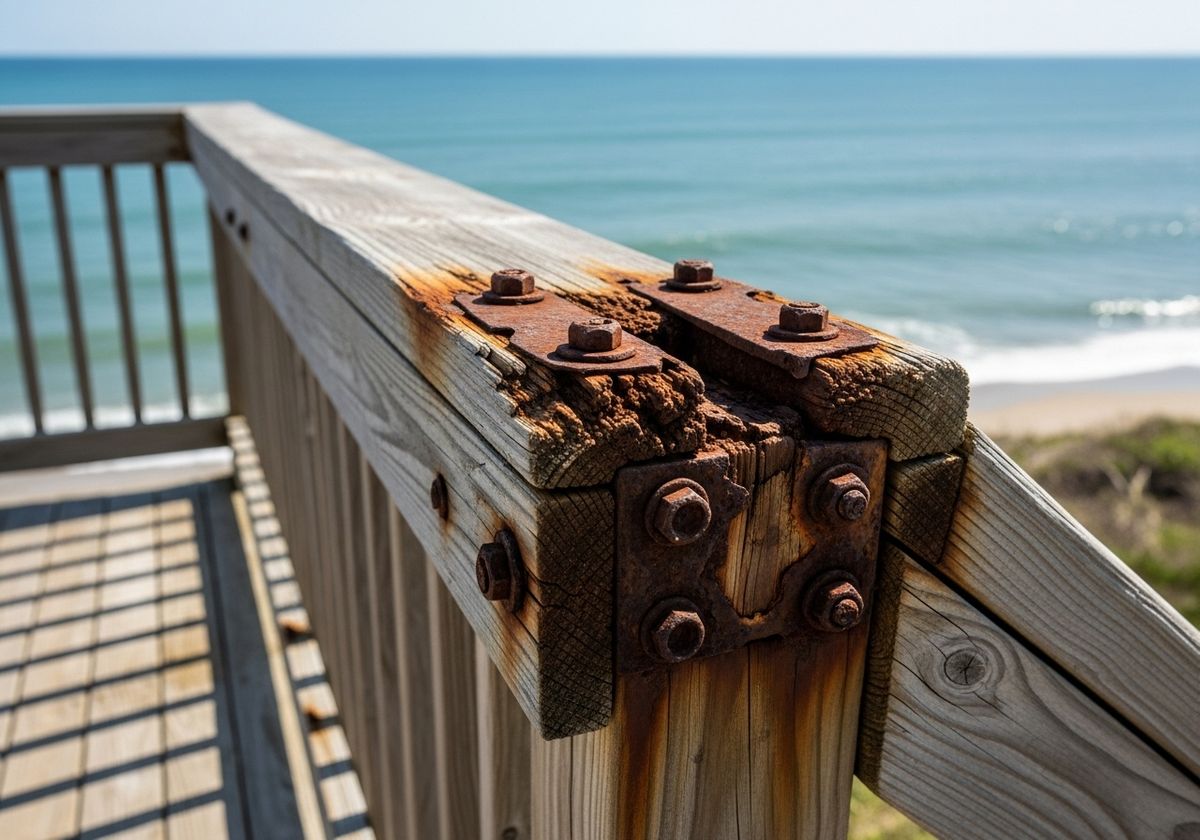
The Corrosive Effects of Salt Air
Saltwater is highly corrosive. When salt spray comes into contact with metal fasteners, railings, and even treated wood, it accelerates the process of oxidation, leading to rust and decay. Over time, this can weaken the structural integrity of your deck, making it unsafe.
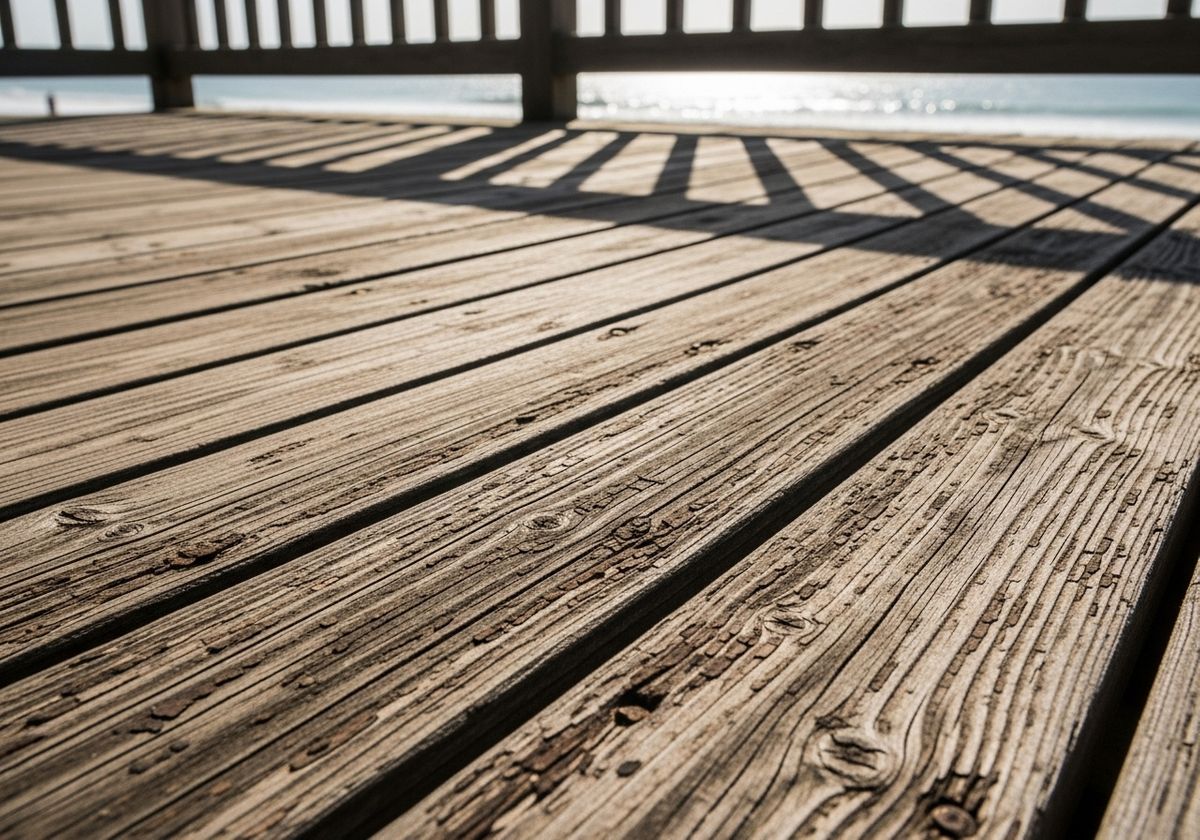
UV Damage and Wood Degradation
The sun's ultraviolet (UV) rays are particularly intense in coastal areas, and prolonged exposure can cause wood to fade, crack, and become brittle. This not only detracts from the aesthetic appeal of your deck but also compromises its strength and stability.
Moisture and Rot
High humidity levels, frequent rainfall, and saltwater intrusion create a breeding ground for mold, mildew, and wood-rotting fungi. These organisms thrive in moist environments and can quickly break down the wood fibers in your deck, leading to structural damage.
Improper Materials and Construction
Using the wrong materials or shoddy construction techniques can exacerbate these issues. For example, using untreated lumber or failing to properly seal the wood can leave your deck vulnerable to moisture damage and insect infestation.
Preventing Deck Failure in Coastal Climates
Use weather-resistant materials: Opt for naturally durable wood species like redwood, cedar, or teak, or consider composite decking materials that are specifically designed to withstand harsh coastal conditions.
Properly seal and protect the wood: Apply a high-quality sealant or stain with UV inhibitors to protect the wood from moisture and sun damage. Reapply regularly, according to the manufacturer's instructions.
Use corrosion-resistant fasteners: Choose stainless steel or other corrosion-resistant fasteners to prevent rust and decay.
Ensure proper drainage: Design your deck with adequate spacing between boards and a slight slope to allow water to drain away quickly.
Regular maintenance: Inspect your deck regularly for signs of damage, such as cracks, rot, or loose fasteners. Address any issues promptly to prevent further deterioration.
Building a deck that can withstand the rigors of a coastal climate requires careful planning, the right materials, and expert craftsmanship. Understanding the challenges posed by salt air, UV radiation, and moisture is the first step toward creating a durable and beautiful outdoor living space. At Decks Designed Inc., we specialize in creating decks that are built to last, even in the most demanding coastal environments. As a leading Long Island deck building company, we understand the unique challenges that coastal properties face. Whether you're looking for experienced deck builders in Long Island or need reliable deck construction contractors, especially custom porch builders, contact us today for a consultation and let us help you design the perfect deck for your home. Check out our project gallery to see examples of our work!