
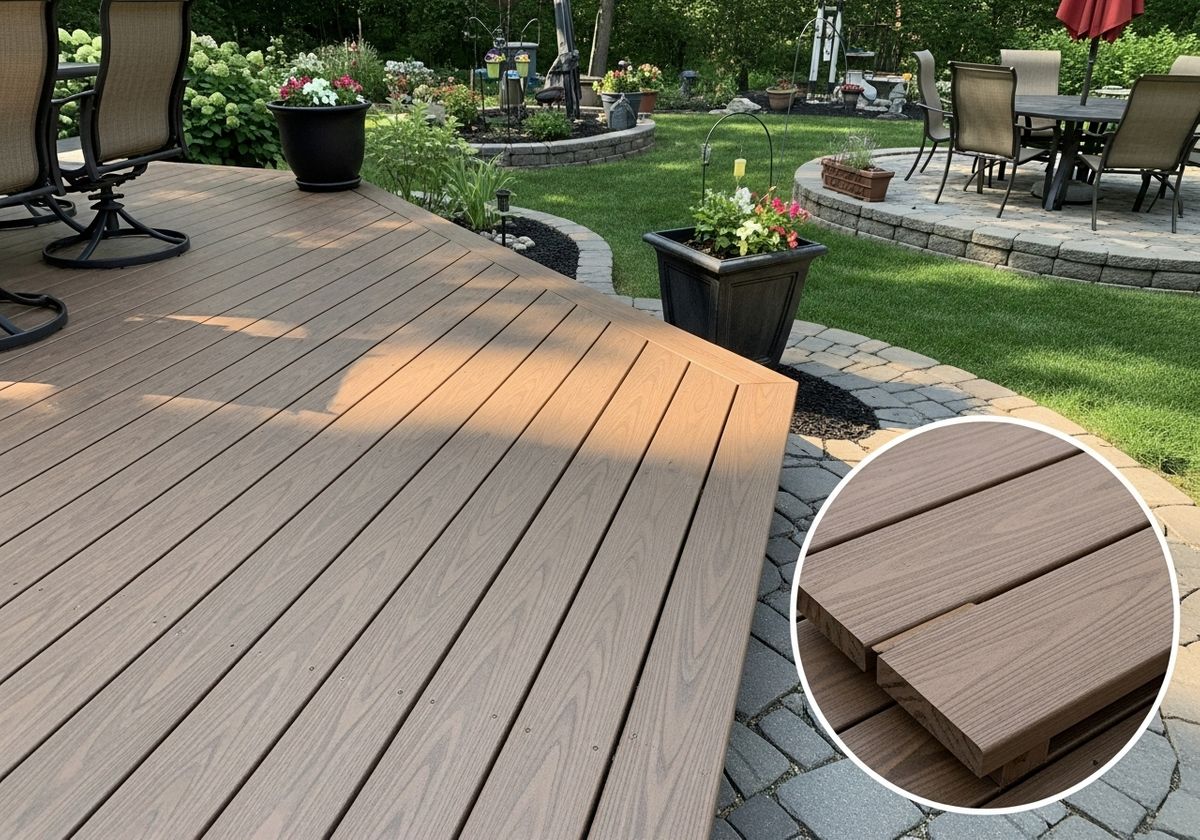
Composite decks have become a popular choice for homeowners seeking a low-maintenance and durable outdoor living space. However, some homeowners may experience issues such as expansion, shifting, or creaking. These problems can be frustrating, but understanding the underlying causes can help prevent and address them.
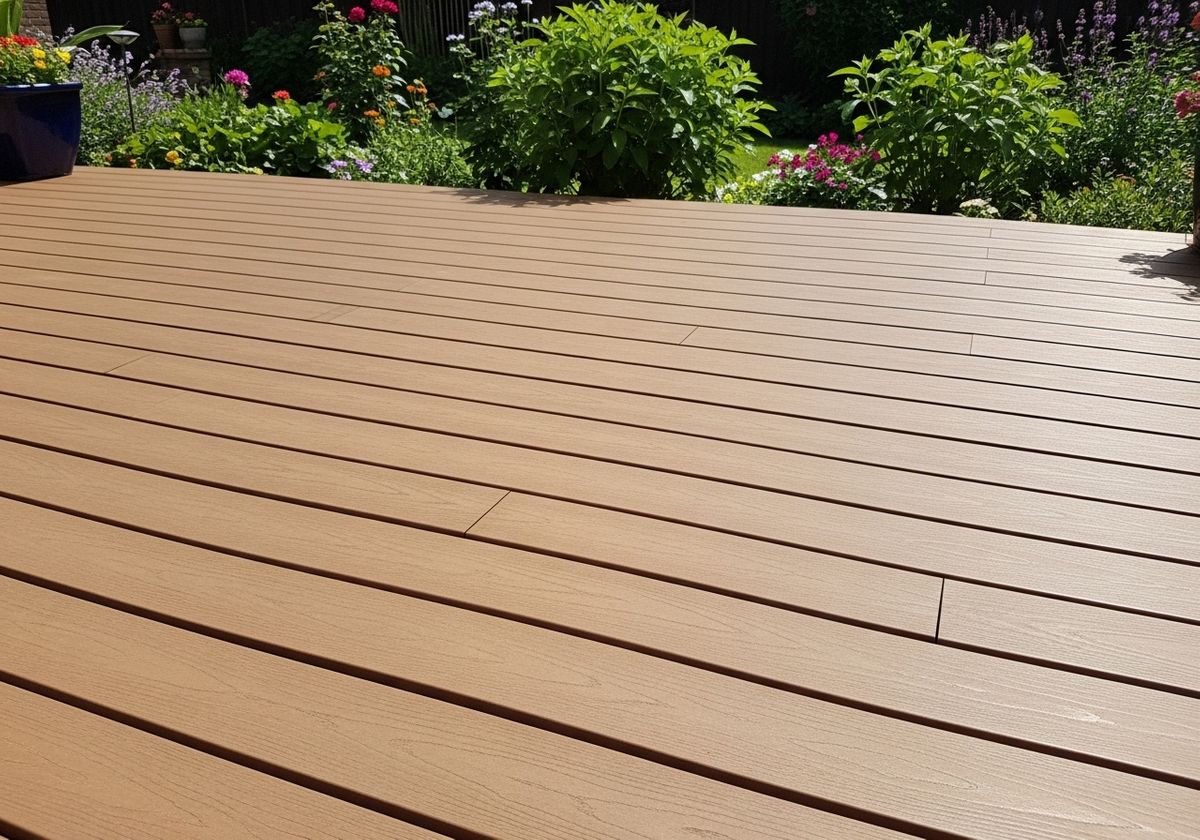
Material Properties and Thermal Expansion
Composite decking is made from a combination of wood fibers and plastic. This blend of materials gives composite decking its resistance to rot, insects, and weathering. However, it also means that composite decking is susceptible to thermal expansion and contraction. When temperatures rise, composite boards expand, and when temperatures drop, they contract. If a deck is not properly installed with adequate spacing between boards and proper fastening techniques, this thermal movement can cause boards to buckle, shift, or creak.
Installation Practices
Proper installation is critical to the long-term performance of a composite deck. Many issues arise from poor installation practices, such as:
Inadequate Spacing: Insufficient spacing between deck boards does not allow for thermal expansion, leading to pressure and potential movement.
Improper Fastening: Using the wrong type or number of fasteners can prevent boards from staying securely in place as they expand and contract.
Lack of Ventilation: Poor ventilation under the deck can trap moisture, causing the framing to swell and potentially affect the deck's stability.
Unlevel Framing: If the deck framing is not level, it can cause uneven stress on the deck boards, leading to movement and noise.
Moisture and Environmental Factors
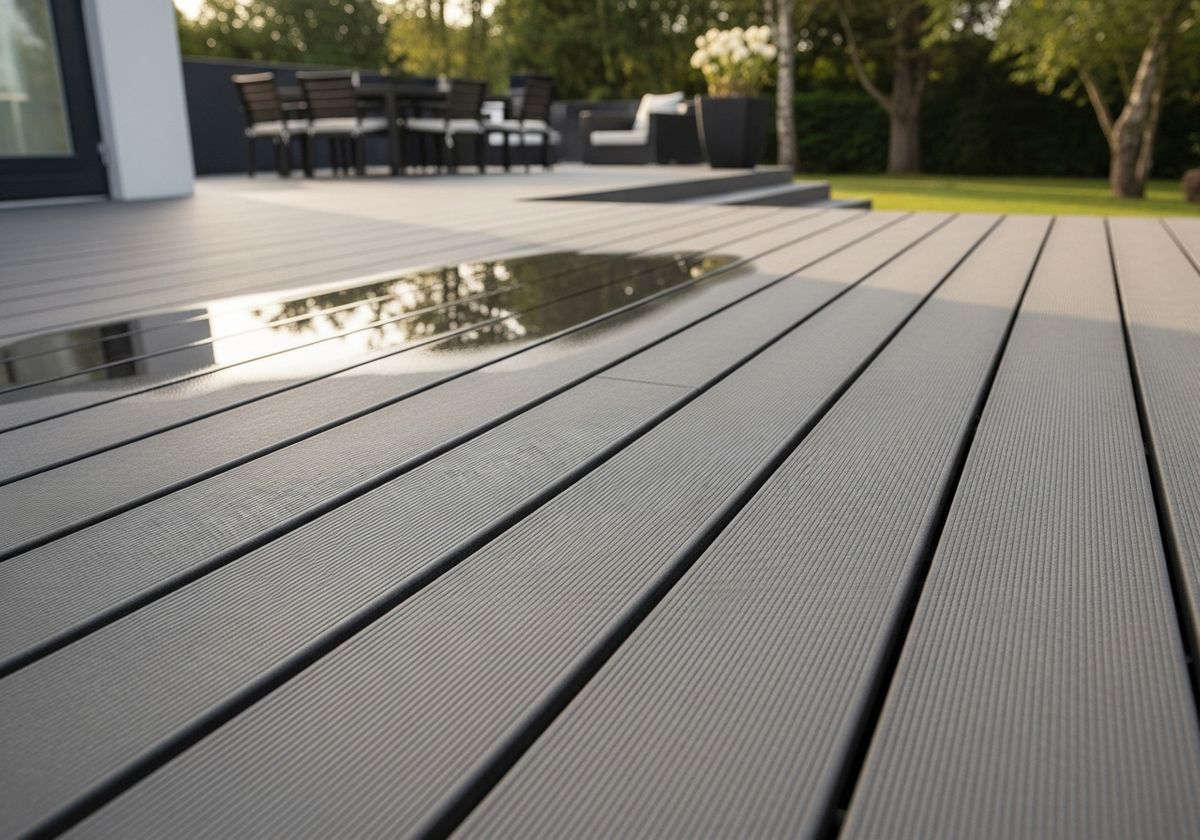
While composite decking is moisture-resistant, it is not entirely waterproof. Excessive moisture can still affect the wood fibers within the composite material, causing them to swell and potentially leading to expansion and movement. Additionally, environmental factors such as direct sunlight, rain, and snow can all contribute to the expansion, shifting, or creaking of a composite deck.
Addressing and Preventing Issues
To minimize the risk of expansion, shifting, or creaking in your composite deck, consider the following:
Hire Experienced Professionals: Work with a qualified Long Island deck building company that understands the nuances of composite deck installation.
Follow Manufacturer's Instructions: Adhere to the manufacturer's recommended spacing, fastening, and ventilation guidelines.
Use Quality Materials: Choose high-quality composite decking materials that are known for their stability and durability.
Regular Maintenance: Periodically inspect your deck for any signs of loose fasteners, excessive moisture, or other issues, and address them promptly.
Understanding the reasons behind composite deck expansion, shifting, and creaking is essential for ensuring a long-lasting and enjoyable outdoor living space. By considering material properties, installation practices, and environmental factors, you can take steps to prevent and address these issues. Decks Designed Inc. is a trusted deck construction contractor specializing in custom porch builders and deck builders in Long Island, and we're committed to providing expert installation and maintenance services. Contact us today to learn more about our services or to schedule a consultation.